 29992 Hunter Road Suite 110 Murrieta, CA 92563

 951-461-6900
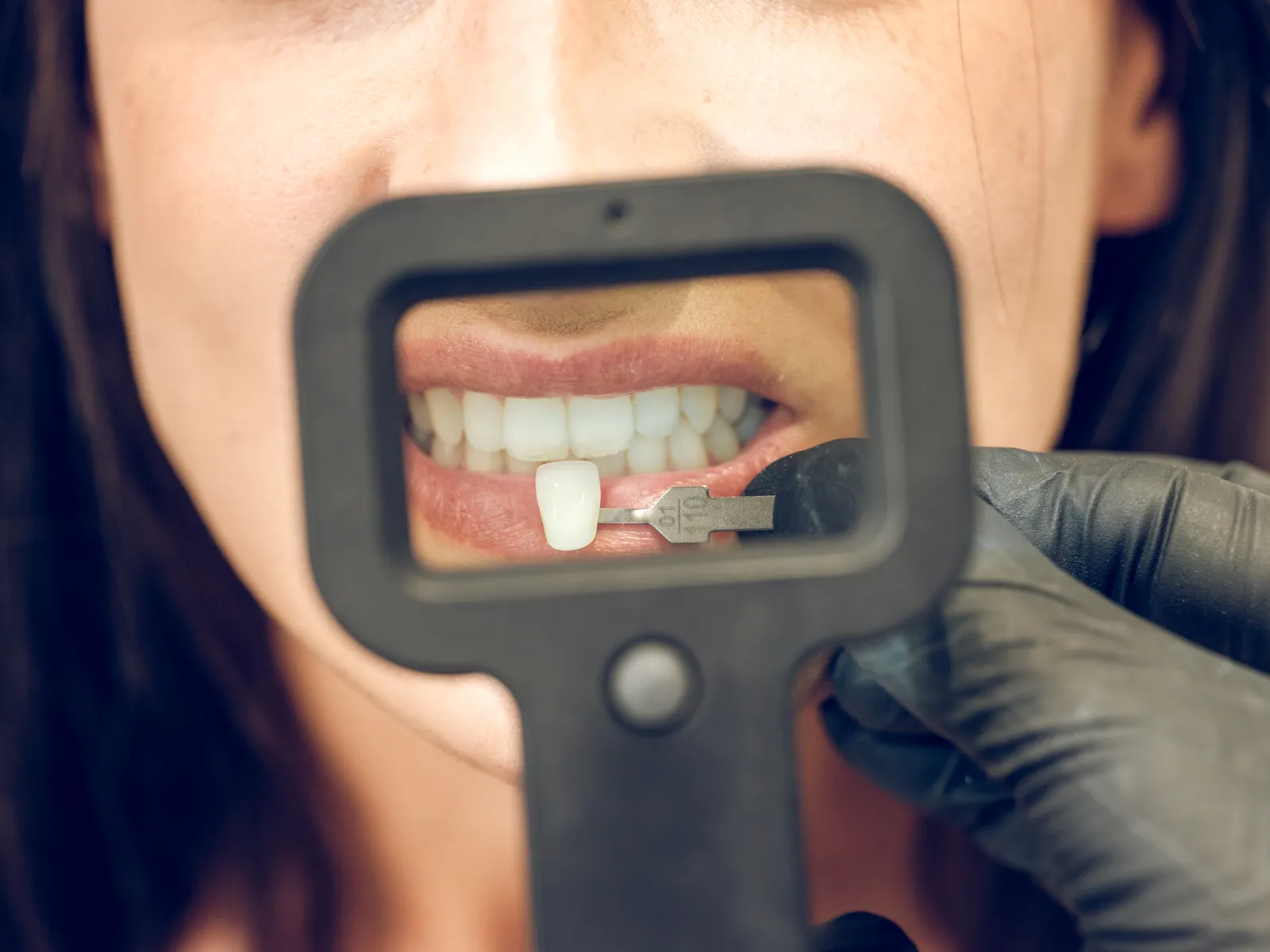
A chipped front tooth, a stubborn gray stain that whitening never touched, a gap you've covered with your hand in every photo since middle school - these are the kinds of small details that can loom large in your own mind, even when nobody else notices them. Veneers exist to solve exactly these problems, and they've become one of the most requested treatments in cosmetic dentistry for good reason.
Unlike orthodontics or whitening, which work gradually, veneers deliver a visible transformation in a short, defined timeline. But they're also a more permanent decision than most cosmetic treatments, which means understanding the process, the materials, and the realistic maintenance involved matters more here than almost anywhere else in dentistry.
This article walks through what veneers actually are, how the treatment unfolds, what they cost in terms of both money and tooth structure, and how to figure out if they're the right fit for your smile goals.
What Veneers Are and How They Differ From Crowns
A veneer is a thin shell, typically less than a millimeter thick, that's bonded directly to the front surface of a tooth. Think of it less as a replacement for the tooth and more as a precisely shaped cover that changes how the tooth looks without altering how it functions day to day. This is the key distinction between veneers and dental crowns: a crown wraps around the entire tooth and is usually recommended when a tooth has significant structural damage or decay, while a veneer only addresses the visible front surface.
Because veneers are so thin, the amount of natural tooth enamel removed to place them is minimal compared to a crown. Most patients need a very light reshaping of the front surface, sometimes less than half a millimeter, just enough to create room for the shell without making the tooth look bulky. This conservative approach is part of why veneers have remained popular for decades rather than being replaced by newer techniques.
Porcelain vs. Composite: Choosing the Right Material
The two main types of veneers differ significantly in how they're made, how long they last, and what they cost. Porcelain veneers are custom-fabricated in a dental lab from a mold of your teeth, then bonded in place during a second appointment. Composite resin veneers, by contrast, are sculpted directly onto your teeth by your dentist in a single visit, using the same tooth-colored material often used for dental bonding.
Neither material is universally "better" - they serve different needs, budgets, and timelines. Here's how they typically compare:
- Porcelain veneers resist staining far better over time and mimic the way natural enamel reflects light, giving them a more lifelike translucency.
- Composite veneers can often be completed in one appointment, making them a faster, lower-cost option for smaller cosmetic corrections.
- Durability favors porcelain, which typically lasts 10 to 15 years with good care, compared to 4 to 8 years for composite.
- Repairability favors composite; small chips can be touched up chairside, while a damaged porcelain veneer usually needs to be fully replaced.
The Veneer Process From Consultation to Final Fit
Treatment usually begins with a thorough consultation where we evaluate the health of your teeth and gums, discuss your goals, and talk through shape, length, and shade options. This step matters more than people expect - veneers are meant to look natural within the context of your whole face, not just bright and uniform. We'll often use photos or a digital preview so you can see a rough approximation of the outcome before committing.
For porcelain veneers, the next visit involves gently reshaping the front surface of each tooth and taking an impression or digital scan that's sent to a dental lab. You'll typically wear temporary veneers for one to two weeks while your custom set is fabricated. Once ready, we check the fit, color, and bite alignment carefully before bonding them permanently in place. Composite veneers skip the lab step entirely, since the material is shaped and hardened directly on your teeth in one visit.
Before any cosmetic work begins, it's worth making sure the foundation is healthy. If you haven't had a checkup recently, we recommend starting with a cleaning and exam so any cavities or gum issues can be addressed first - veneers bond best to clean, healthy tooth surfaces.
How Long Veneers Last and What Affects Their Lifespan
Porcelain veneers generally hold up for 10 to 15 years, and we've seen well-maintained sets last even longer. That lifespan depends heavily on habits, though. Grinding your teeth at night, chewing ice, biting fingernails, or using your teeth to open packaging all put stress on the thin porcelain edges and can cause chips or cracks years before they'd otherwise need replacing.
The bonding itself can also weaken slowly over time, particularly along the gumline, which is why routine dental visits matter even after your veneers are placed. We check the margins for any gaps where bacteria could get in, and we monitor the surrounding natural teeth, since those remain just as susceptible to decay and gum disease as before treatment.
Are You a Good Candidate for Veneers?
Veneers work best on teeth that are structurally sound but have cosmetic concerns - things like discoloration that doesn't respond to whitening, small chips or wear, minor gaps, or slightly irregular shapes. They're a popular alternative to orthodontics for people who want a straighter-looking smile without the time commitment of braces or clear aligners, though veneers correct the appearance of alignment rather than actually moving teeth.
They're not the right solution for everyone. If a tooth has significant decay, a large filling, or a cracked structure, a crown is usually a more appropriate fix because it provides structural reinforcement that a veneer can't. Active gum disease should also be treated first - if you've noticed bleeding or swelling, our gum treatment services can get your gums healthy before any cosmetic work moves forward. And if you grind your teeth heavily at night, we'll usually recommend a nightguard alongside veneers to protect your investment.
Caring for Your Veneers Long-Term
Veneers don't require an elaborate special routine, which surprises a lot of patients. Brushing twice daily, flossing, and keeping up with regular cleanings is largely all it takes to keep them looking good. That said, a few small adjustments go a long way toward extending their lifespan.
- Limit heavy staining habits like red wine or dark coffee with composite veneers, since this material can discolor more easily than porcelain over the years.
- Use a soft-bristled toothbrush and a non-abrasive toothpaste to avoid dulling the surface finish over time.
- Wear a nightguard if you clench or grind, since this is the single biggest preventable cause of veneer damage we see.
- Keep up with regular exams so we can catch any early signs of lifting edges or margin wear before they become bigger problems.
Key Takeaways
- Veneers cover only the front surface of a tooth, making them more conservative than crowns.
- Porcelain lasts longer and resists stains better; composite is faster and more budget-friendly.
- Healthy teeth and gums are a prerequisite - decay or gum disease should be treated first.
- Grinding habits and nightguards significantly influence how long your veneers will last.
- Routine checkups remain essential even after veneers are placed.
Frequently Asked Questions
Do veneers hurt to get placed?
Most patients feel minimal discomfort. We use local anesthesia during the enamel reshaping step, and any sensitivity afterward is typically mild and resolves within a day or two.
Can veneers be whitened once they're placed?
No, veneers don't respond to whitening treatments the way natural enamel does. This is why we recommend whitening your natural teeth to your desired shade before veneers are fabricated, so the color matches well for years to come.
Is the process reversible?
Porcelain veneers require removing a small amount of enamel, which doesn't grow back, so the process is considered permanent. Composite veneers involve less or sometimes no enamel removal and are generally more reversible.
What happens if a veneer chips or falls off?
Call our office as soon as possible rather than waiting for your next checkup. A missing or damaged veneer can expose the underlying tooth structure, and prompt attention helps avoid further complications or discomfort.
Making a Confident, Informed Decision
Veneers remain one of the most reliable ways to address cosmetic concerns that have bothered you for years, but the best results come from a treatment plan built around your specific teeth, bite, and habits rather than a one-size-fits-all approach. A detailed consultation, honest conversation about material options, and a healthy foundation to start from all make a real difference in how your veneers look and how long they last.
If you've been considering veneers, the next step is simply a conversation about what your teeth need and what outcome you're hoping for. We're happy to walk through your options in detail and help you decide what fits your smile and your budget.