 29992 Hunter Road Suite 110 Murrieta, CA 92563

 951-461-6900
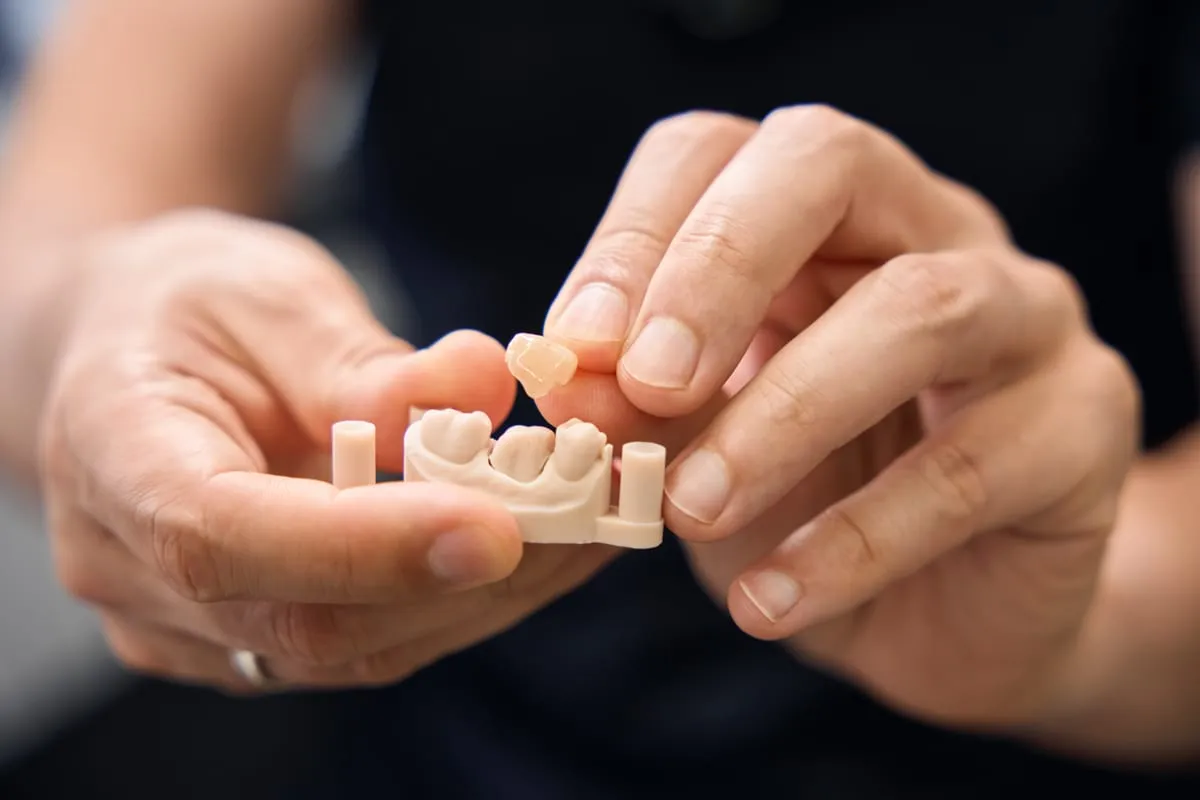
A tooth doesn't have to be missing to need serious help. Sometimes it's still standing, still doing its job every day, but a crack is spreading, a filling is too large to hold, or decay has eaten away so much structure that the tooth is one bad bite away from breaking. This is where a dental crown earns its reputation as one of the most dependable tools in restorative dentistry.
A crown is essentially a custom-made cap that fits over the entire visible portion of a tooth, restoring its shape, strength, and function while protecting whatever natural structure remains underneath. At Crossroads Dentistry, we place crowns regularly for patients who have cracked teeth, large old fillings that have failed, or teeth that have undergone root canal therapy. It's a procedure with a long track record, but patients still have plenty of reasonable questions about materials, process, cost, and how long a crown should be expected to last.
This article walks through what a crown actually does, the materials used today, what happens chairside, and how to keep a crowned tooth healthy for years to come.
When a Tooth Actually Needs a Crown
Not every cavity or chip calls for a crown. Fillings and bonding handle small to moderate damage perfectly well. Crowns come into the picture once a tooth has lost so much of its natural structure that a filling would leave it weak, brittle, or prone to cracking under normal biting force. Dentists generally measure this in terms of how much healthy tooth remains after decay or old restorative material is removed.
A few common situations lead to a crown recommendation. A tooth that has had a root canal often needs a crown afterward because the procedure, while it saves the tooth, leaves it more brittle and susceptible to fracture over time. Large cracks that run below the gumline, teeth with multiple failing fillings, and teeth that have been significantly worn down from grinding are also frequent candidates. Crowns are also used cosmetically to reshape a misaligned or discolored tooth, though in many of those cases a veneer may be a more conservative option if the tooth's underlying structure is still sound.
The decision ultimately comes down to a clinical exam, often supported by an X-ray, to assess how much tooth structure is salvageable and whether a filling alone would hold up to daily chewing forces. We'd rather place a crown proactively on a tooth showing early signs of cracking than wait for that tooth to fracture at the gumline, where options become far more limited.
Choosing the Right Crown Material
Modern crowns are made from several different materials, each with its own balance of strength, appearance, and cost. The right choice depends on which tooth is being restored, how much bite force it absorbs, and how visible it is when you smile or talk.
- All-ceramic or all-porcelain crowns: These offer the most natural, tooth-like appearance and are usually the preferred choice for front teeth, where matching color and translucency matters most.
- Zirconia crowns: Known for exceptional strength and durability, zirconia handles the heavy grinding forces of molars well while still looking reasonably natural.
- Porcelain-fused-to-metal (PFM): A long-standing option that combines a metal substructure for strength with a porcelain exterior for appearance, though a thin gray line can sometimes show at the gumline over time.
- Gold alloy crowns: Rarely chosen for front teeth due to appearance, but still valued for back molars because gold is extremely durable and gentle on opposing teeth.
We talk through these options with each patient individually. Someone grinding their teeth at night and needing a molar restored has different priorities than someone restoring a front tooth that's constantly on display in photos. There's rarely a single "best" material - just the best fit for your mouth, your bite, and your budget.
What Happens During the Crown Procedure
Getting a crown typically takes two appointments, though some practices with in-office milling technology can complete the process in a single visit. At the first appointment, we numb the area, remove any decay or failing restorative material, and reshape the tooth so the crown will fit over it precisely. An impression or digital scan is taken to capture the exact shape of your tooth and the surrounding bite.
While your permanent crown is being fabricated at a dental lab, a temporary crown is placed to protect the tooth and keep you comfortable eating and speaking normally. This usually takes one to two weeks. During that time, it's wise to chew more carefully on that side and avoid very sticky foods that could pull the temporary off.
At the second visit, we check the fit, color match, and bite of the permanent crown before cementing it into place. Minor adjustments are common and expected - a crown that sits even slightly too high can cause discomfort when chewing, so we take the time to get the bite exactly right before you leave the chair. Patients who need extensive rebuilding sometimes pair crown work with other restorative treatments, and our dental implants page covers how crowns also serve as the visible, functional top of an implant restoration.
How Long a Crown Should Realistically Last
Most dental crowns last between 10 and 15 years, and it's not unusual to see well-maintained crowns function comfortably for 20 years or more. Longevity depends heavily on the material chosen, how much bite force the tooth handles daily, and how consistently the patient keeps up with oral hygiene and routine dental visits.
Crowns don't typically fail all at once. More often, the margin where the crown meets the natural tooth can develop a small gap over time, allowing bacteria to sneak underneath and cause decay in the tooth structure beneath the crown itself. This is exactly why regular checkups matter even for teeth that already have a crown - the crown itself can't decay, but the tooth underneath absolutely can.
Grinding and clenching are the most common reasons crowns wear out ahead of schedule. If you grind your teeth at night, a custom nightguard can dramatically extend the life of both your natural teeth and any crowns you have in place.
Caring for a Crowned Tooth at Home
A crowned tooth doesn't require a special routine beyond good general oral hygiene, but a few habits genuinely extend its lifespan. Brush twice a day and floss daily, paying particular attention to the gumline around the crown where plaque tends to accumulate. The margin between crown and tooth is the most vulnerable spot for new decay, so a clean, consistent routine protects that area specifically.
It's also worth being mindful of what you bite down on. Ice, hard candy, pens, and fingernails put unnecessary stress on crowns and are a common cause of chips or fractures, even in durable materials like zirconia. Keeping up with your scheduled cleanings and exams lets us catch early signs of a loosening crown or developing decay before they turn into bigger, more expensive problems.
Signs Something Might Be Wrong With a Crown
Most crown problems give some warning before they become urgent. Sensitivity to hot or cold that lingers longer than a few seconds, a feeling that the crown is slightly loose or shifting when you bite, or a visible dark line near the gum can all point to an issue that needs attention. Persistent pain when chewing, especially on one specific tooth, often means the bite needs adjusting or decay has formed underneath.
If a crown actually falls off or cracks, don't panic, but don't ignore it either. Keep the crown if you can find it, avoid chewing on that side, and call us as soon as possible. In many cases the same crown can be re-cemented if the underlying tooth is intact; if not, we treat it with the same urgency we give any dental emergency. Our emergency care team can usually get you seen quickly to protect the exposed tooth from further damage or infection.
Key Takeaways
- Crowns are recommended when a tooth has lost too much structure for a filling to safely restore, including after root canal treatment or significant cracking.
- Zirconia and all-ceramic are the most common modern materials, chosen based on strength needs versus cosmetic priorities.
- The process typically spans two visits: tooth preparation with a temporary crown, then permanent placement two weeks later.
- Well-maintained crowns commonly last 10 to 15 years or longer, especially with consistent hygiene and regular checkups.
- Persistent sensitivity, looseness, or pain when biting are signs a crown needs professional evaluation promptly.
Frequently Asked Questions
Does getting a crown hurt?
The tooth preparation is done under local anesthesia, so you shouldn't feel pain during the procedure itself. It's common to have mild sensitivity for a few days afterward, especially to temperature, which typically settles on its own.
How much does a dental crown cost?
Costs vary depending on the material chosen and whether additional treatment like a root canal is needed first. We provide a full cost estimate during your consultation and can walk through insurance coverage and payment options at that time.
Can a crowned tooth still get a cavity?
Yes. The crown itself can't decay, but the natural tooth structure underneath and around the crown's edge can still develop decay if plaque builds up there. This is why regular brushing, flossing, and checkups remain essential even after a crown is placed.
What's the difference between a crown and a veneer?
A veneer covers only the front surface of a tooth and is used mainly for cosmetic improvement, while a crown covers the entire tooth and is designed to restore strength as well as appearance. Your dentist will recommend whichever option matches how much structural support your tooth actually needs.
Will my crown match the color of my other teeth?
Yes. We take shade matching seriously, particularly for front teeth, and use all-ceramic materials when a natural, blended appearance is the priority. Keep in mind that crowns don't whiten like natural enamel, so if you're planning teeth whitening, it's best to do that before your crown shade is finalized.
A Reliable Fix for a Common Problem
Dental crowns remain one of the most proven, predictable ways to save a tooth that would otherwise be too compromised to function well. Whether the cause is an old filling that's finally failed, a crack that formed after years of grinding, or a tooth that needed a root canal, a well-made crown restores strength and lets you eat and smile with confidence again.
If you've noticed a crack, ongoing sensitivity, or a filling that seems to be wearing down, it's worth having the tooth evaluated before the problem gets more complicated. Our team at Crossroads Dentistry can assess what's happening and walk you through whether a crown, or a more conservative option, is the right path forward for your specific tooth.