 29992 Hunter Road Suite 110 Murrieta, CA 92563

 951-461-6900
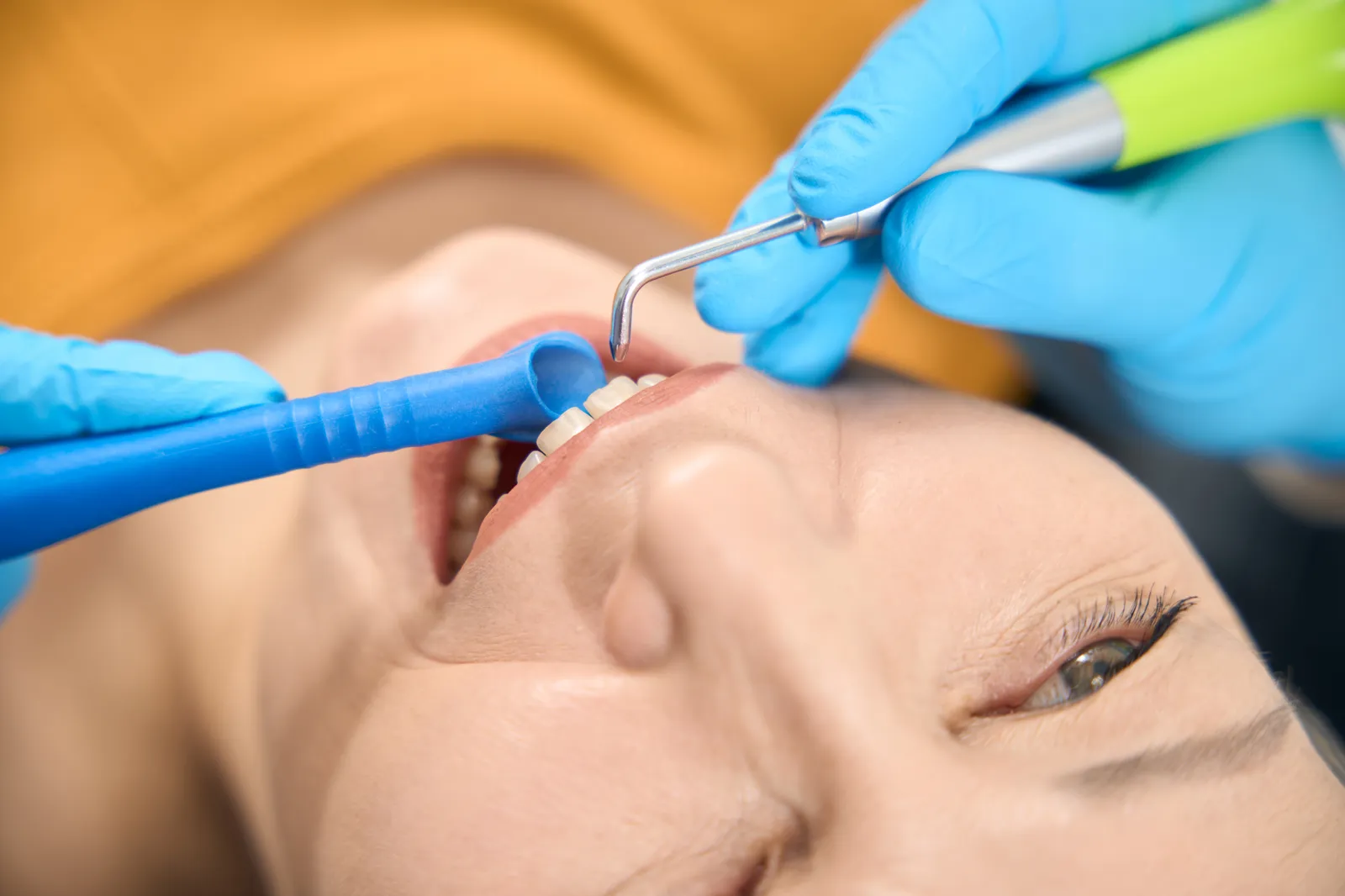
Most people don't think much about their gums until something feels wrong-a little blood in the sink after brushing, a sore spot that won't go away, or teeth that suddenly look longer than they used to. Those small signals are rarely random, and they're almost never something to wait out. Gum disease is one of the most common chronic conditions in adults, and it progresses quietly for years before it becomes painful or obvious.
The encouraging part is that gum treatment today is far less intimidating than most patients expect, and it's highly effective when started early. Whether you're dealing with mild inflammation or a more advanced case that's already affected the bone supporting your teeth, there's a treatment pathway built for where you are right now. This article walks through how gum disease develops, what the different stages look like, and what actually happens during treatment at a dental practice like ours.
We'll also cover the practical questions patients ask most often: how long treatment takes, whether it hurts, and how to keep your gums healthy once the active treatment phase is behind you.
In This Article
- Recognizing the Early Signs of Gum Disease
- The Stages of Gum Disease: Gingivitis vs. Periodontitis
- Non-Surgical Treatment: Scaling and Root Planing
- When Advanced or Surgical Treatment Becomes Necessary
- Recovery, Maintenance, and Protecting Your Results
- Why Gum Health Affects More Than Just Your Mouth
Recognizing the Early Signs of Gum Disease
Gum disease rarely announces itself with pain in its earliest form. Instead, it shows up as subtle changes that are easy to dismiss: gums that bleed when you floss, slight puffiness along the gumline, or a persistent bad taste in your mouth. Because these symptoms don't usually hurt, many patients assume they're brushing too hard or just having an off week, when in reality their gums are reacting to a buildup of plaque and bacteria below the surface.
This is exactly why routine checkups matter so much. During a standard visit for cleaning and exams, our team checks gum pocket depths, looks for inflammation, and tracks changes over time-catching issues long before they'd be noticeable to you at home.
- Bleeding during brushing or flossing: Healthy gums don't bleed under normal pressure; consistent bleeding is one of the earliest and most reliable warning signs.
- Persistent bad breath: Ongoing halitosis that doesn't improve with brushing can point to bacterial activity beneath the gumline.
- Gum recession: Teeth that appear longer or more sensitive at the roots often indicate the gum tissue is pulling away from the enamel.
- Loose or shifting teeth: In more advanced cases, teeth may feel slightly mobile, a sign the supporting bone has been affected.
The Stages of Gum Disease: Gingivitis vs. Periodontitis
Gum disease is generally described in two broad stages, and understanding the difference helps explain why treatment looks different depending on when it's caught. Gingivitis is the earliest and mildest form. It's caused by plaque buildup irritating the gum tissue, leading to redness, swelling, and bleeding. The important detail here is that gingivitis is reversible-with a thorough cleaning and better home care, the gums can return to a fully healthy state.
Periodontitis is what happens when gingivitis is left untreated. At this stage, the inflammation has moved deeper, affecting the ligaments and bone that anchor your teeth in place. Pockets form between the teeth and gums, trapping bacteria in areas a toothbrush simply can't reach. Unlike gingivitis, the bone loss associated with periodontitis isn't reversible, which is why the goal of treatment shifts from reversal to control: stopping the progression, reducing pocket depth, and preserving as much of the remaining bone and tissue as possible.
Periodontitis itself has mild, moderate, and advanced classifications based on pocket depth and bone loss, which is part of why an in-person evaluation is so important. Two patients with "gum disease" on paper can need very different treatment plans.
Non-Surgical Treatment: Scaling and Root Planing
For most patients with early to moderate gum disease, treatment begins with a procedure called scaling and root planing, often referred to as a "deep cleaning." This is different from a routine cleaning in both scope and technique. Scaling removes plaque and tartar from above and below the gumline, while root planing smooths the root surfaces of the teeth so that gum tissue can reattach more easily and bacteria have a harder time clinging on.
This procedure is typically done in quadrants over one or two visits, using a local anesthetic to keep you comfortable throughout. Many patients are surprised by how manageable it is-there's some tenderness for a day or two afterward, similar to what you might feel after a vigorous cleaning, but it's generally well tolerated. In some cases, we'll also recommend an antimicrobial rinse or localized antibiotic treatment placed directly into deeper pockets to help calm inflammation and support healing.
After scaling and root planing, we schedule a follow-up to measure pocket depths again and see how the tissue has responded. For a good number of patients, this is the full extent of treatment needed, paired with more frequent maintenance cleanings going forward.
When Advanced or Surgical Treatment Becomes Necessary
When pockets remain deep after non-surgical treatment, or when bone loss is significant, a referral to a periodontist for more advanced care may be recommended. This doesn't mean something has gone wrong-it simply means the condition requires a level of intervention beyond scaling and root planing. Flap surgery, for example, involves gently lifting the gum tissue back to allow for a thorough cleaning of the root surfaces and underlying bone, after which the tissue is sutured back into a position that makes future cleaning easier.
In cases where bone has already been lost, bone grafting or guided tissue regeneration can help rebuild support around the tooth. If gum recession has exposed tooth roots, a soft tissue graft can cover the area, reducing sensitivity and protecting the root from further wear. These procedures sound more intense than they feel in practice; modern techniques and sedation options keep patients comfortable, and the long-term payoff is real: preserved teeth that might otherwise have become loose or been lost entirely.
Left untreated, advanced periodontitis is one of the leading causes of adult tooth loss, and in some cases, it can accelerate quickly enough that what was once a maintainable situation becomes an urgent one. If you're experiencing sudden swelling, significant pain, or a tooth that feels loose, that's a situation for our emergency care team rather than something to wait out until your next scheduled visit.
Recovery, Maintenance, and Protecting Your Results
Treating gum disease is only half the equation-keeping it from coming back is the other half, and it's just as important. Once active treatment is complete, most patients move to a periodontal maintenance schedule, which usually means professional cleanings every three to four months instead of the standard six-month interval. This more frequent rhythm gives us the chance to catch any new inflammation before it has a chance to rebuild into deeper pockets.
At home, consistency matters more than intensity. Brushing twice daily with a soft-bristled brush, flossing or using an interdental brush once a day, and avoiding tobacco products all play a measurable role in keeping gum tissue stable. Patients who've lost gum tissue or had grafting done should also pay attention to how teeth that are now more exposed respond to hot or cold, and let us know if sensitivity becomes bothersome.
- Keep maintenance appointments: Skipping the three- to four-month cleaning schedule is one of the most common reasons treated gum disease returns.
- Use the right tools at home: A soft-bristled or electric toothbrush and daily interdental cleaning reach areas standard flossing can miss.
- Limit tobacco use: Smoking significantly slows gum healing and is one of the strongest risk factors for recurrence.
Why Gum Health Affects More Than Just Your Mouth
Gum disease doesn't stay neatly contained to your mouth. Research has consistently linked periodontitis with a higher risk of cardiovascular disease, difficulty managing diabetes, and complications during pregnancy. The connecting thread is inflammation: when bacteria from infected gum tissue enter the bloodstream, they can contribute to inflammatory processes elsewhere in the body.
This is one more reason gum treatment deserves the same attention as any other aspect of your health, not just something addressed once it becomes uncomfortable. It's also worth noting that untreated gum disease can undermine other dental work. Patients considering dental implants or restorative treatments like dental crowns need healthy gum tissue and adequate bone support for those treatments to succeed long-term, which is why we often address active gum disease before moving forward with other procedures.
Key Clinical Takeaways
- Bleeding or swollen gums are an early warning sign, not a cosmetic nuisance, and should prompt an evaluation.
- Gingivitis is reversible with professional cleaning and better home care; periodontitis requires ongoing management.
- Scaling and root planing is the standard first-line treatment for most patients with gum disease.
- Advanced cases may need surgical intervention, but modern techniques make recovery far more comfortable than many expect.
- Maintenance cleanings every three to four months are essential to keeping treated gum disease from returning.
Frequently Asked Questions
Does gum treatment hurt?
Most gum treatment, including scaling and root planing, is performed with local anesthetic, so the procedure itself is comfortable. Mild soreness or sensitivity for a day or two afterward is normal and typically manageable with over-the-counter pain relief.
Can receding gums grow back?
Gum tissue itself doesn't regenerate on its own once it has receded. However, a soft tissue graft can cover exposed roots and restore a healthier gumline, and treating the underlying disease prevents further recession.
How many visits does gum treatment usually take?
Mild cases may resolve within one or two visits for a thorough cleaning and a follow-up assessment. More advanced periodontitis often requires several visits over a few months, plus an ongoing maintenance schedule afterward.
Is gum disease the same thing as bad breath?
Bad breath can have several causes, but persistent bad breath that doesn't respond to brushing is commonly linked to bacteria associated with gum disease. It's worth having it checked rather than masking it with mints or mouthwash.
Will insurance cover gum treatment?
Many dental insurance plans cover a portion of periodontal treatment, especially scaling and root planing, since it's considered medically necessary rather than cosmetic. Our team can help verify your specific benefits before treatment begins.
Taking the First Step Toward Healthier Gums
Gum disease is common, but it's also one of the most manageable conditions in dentistry when it's caught at the right time. The difference between a quick deep cleaning and a more involved surgical procedure often comes down to how early the condition is identified, which makes routine checkups and prompt attention to warning signs genuinely valuable.
If you've noticed bleeding, swelling, or changes in how your gums look or feel, there's no benefit in waiting to see if it resolves on its own. A proper evaluation gives you a clear picture of where you stand and a treatment plan built around your specific needs, so you can move forward with confidence rather than guesswork.