Restorative Dentistry

Dental Crowns Services

Protect a weakened tooth and restore your bite with a custom-fitted crown built for comfort, strength, and a natural look.

Dental Crowns Services
Restorative Dentistry

Dental Crowns Built to Protect and Restore Your Smile

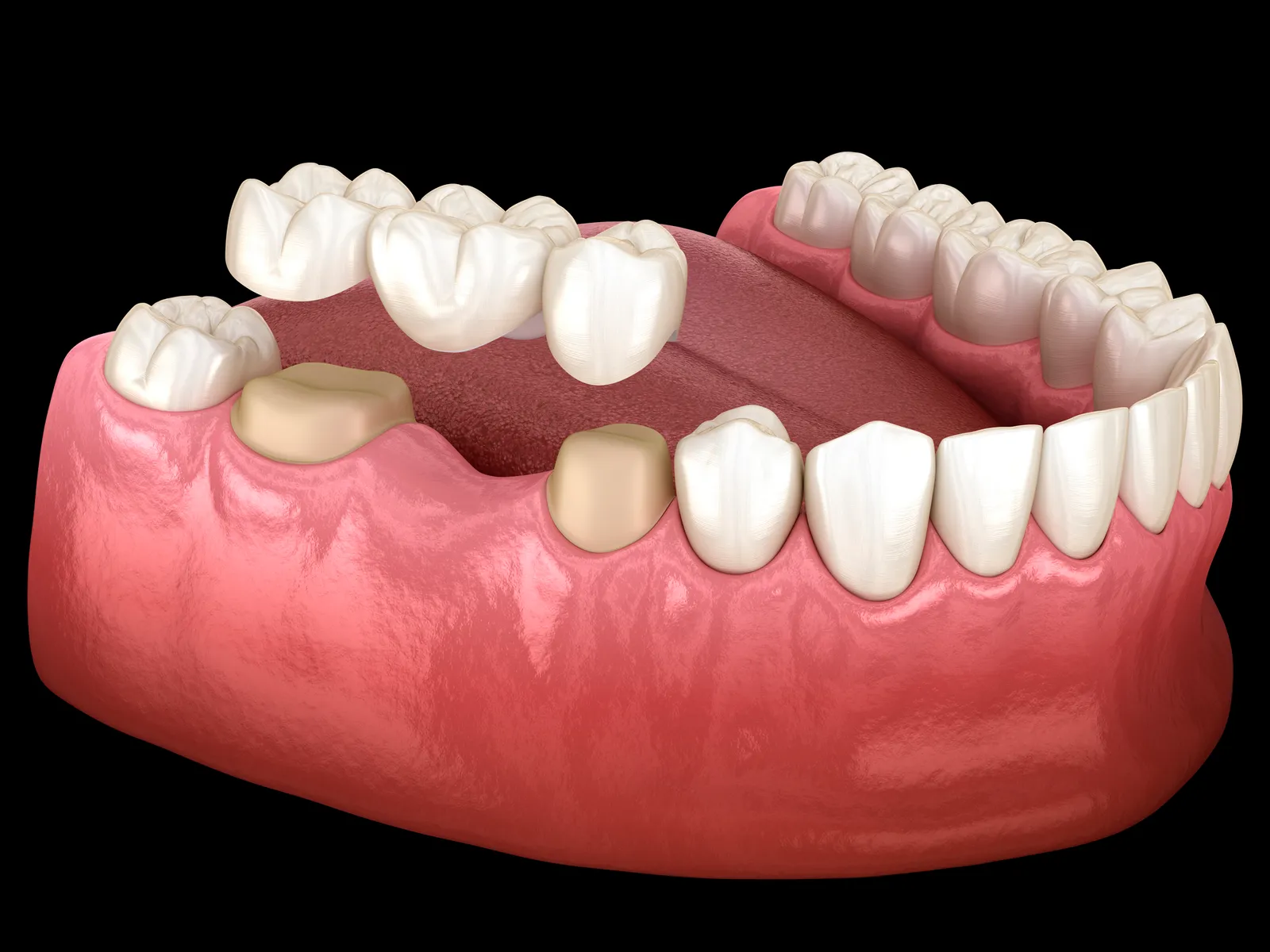
A tooth that has been weakened by a large cavity, a deep crack, or root canal treatment can no longer stand up to everyday chewing forces on its own. Over time, that weakness tends to get worse - small chips grow into larger fractures, and sensitivity turns into real pain. A dental crown covers and reinforces the entire visible portion of the tooth, spreading bite forces evenly across a durable shell instead of concentrating stress on a compromised structure.

Patients often come to us after noticing a tooth that feels different when they bite down, or after a filling has simply worn out its welcome. We understand how disruptive this is to daily life - favoring one side of your mouth while eating, avoiding certain foods, or feeling self-conscious about a discolored or misshapen tooth. Our approach starts with a careful diagnostic exam, including digital imaging when needed, so we understand exactly what the tooth requires before recommending treatment.

At Crossroads Dentistry, we treat every crown as a long-term investment in your oral health, not just a quick fix. We take the time to match the shade, shape, and bite to your natural teeth, and we walk you through each step so you know exactly what to expect from consultation to final placement.

Schedule a Consultation

Signs a Dental Crown May Be the Right Fit

Damage to a tooth doesn't always announce itself loudly at first. It often shows up as subtle discomfort that builds gradually, or as a cosmetic issue that bothers you more each time you look in the mirror. Here are common indicators that a crown may be worth discussing at your next visit.

  • Large or failing fillings: When a filling covers most of the chewing surface, there's often not enough natural tooth left to support it securely over time.
  • Visible cracks or fracture lines: Hairline cracks can deepen under normal biting pressure, eventually threatening the health of the tooth.
  • Sharp pain when biting down: This can signal a fracture beneath the gumline that isn't visible during a casual glance in the mirror.
  • Teeth after root canal treatment: A treated tooth becomes more brittle and benefits from the added protection a crown provides.
  • Significant discoloration or staining: When whitening or bonding can't address deep internal staining, a crown restores a natural, even appearance.
  • Worn-down or flattened teeth: Years of grinding or clenching can shorten teeth, affecting both your bite and your smile's proportions.
  • Misshapen or unusually small teeth: A crown can reshape a tooth to blend naturally with the rest of your smile.
  • Support for a dental bridge: Crowns anchor bridges securely to neighboring teeth, replacing missing teeth with a stable, fixed solution.
  • Recurring decay around an old restoration: When decay keeps returning near the edges of a filling, a crown seals and protects the tooth more completely.
  • Persistent sensitivity to temperature: Ongoing sensitivity to hot or cold can point to structural weakness that a filling alone won't resolve.

Because several of these signs can also point to other dental issues, a thorough clinical evaluation is the only reliable way to confirm whether a crown is the right solution. Waiting too long often allows a repairable tooth to progress toward needing an extraction or root canal.

Understanding Why Teeth Reach This Point

Tooth damage severe enough to need a crown rarely happens overnight. It usually results from one or more contributing factors building up gradually, often without any noticeable symptoms until the damage is already significant.

Extensive Tooth Decay

When a cavity spreads beyond what a standard filling can support, the remaining tooth structure becomes too thin to withstand normal chewing pressure safely.

Chronic Teeth Grinding

Habitual clenching or grinding, often during sleep, places repeated stress on tooth enamel that gradually wears it down or causes fractures.

Previous Root Canal Treatment

Removing the nerve and blood supply from a tooth leaves it more brittle over time, which is why crowns are routinely recommended afterward.

Impact or Trauma

A fall, sports injury, or biting into something unexpectedly hard can chip or crack a tooth instantly, creating a need for structural reinforcement.

Aging Restorations

Fillings and bondings don't last forever. As they wear down or develop micro-leaks, the tooth underneath becomes vulnerable to new decay and fracture.

Genetic Enamel Weakness

Some people are simply born with thinner or softer enamel, making their teeth more prone to wear, staining, and structural damage over a lifetime.

From First Exam to a Fully Restored Tooth

Every crown we place follows a careful, methodical process. We never rush a fitting, because the long-term comfort and durability of your restoration depends on precision at each stage.

1

Initial Consultation & Discussion

We start by listening - what symptoms you've noticed, how long they've been present, and what concerns you most. This conversation shapes the exam that follows.

2

Comprehensive Clinical Evaluation

Digital X-rays and a close visual exam let us see the full extent of the damage, including anything happening below the gumline that isn't visible otherwise.

3

Customized Treatment Plan

We discuss crown material options, timeline, and what to expect at each appointment, answering your questions so there are no surprises along the way.

4

Gentle Care Delivery

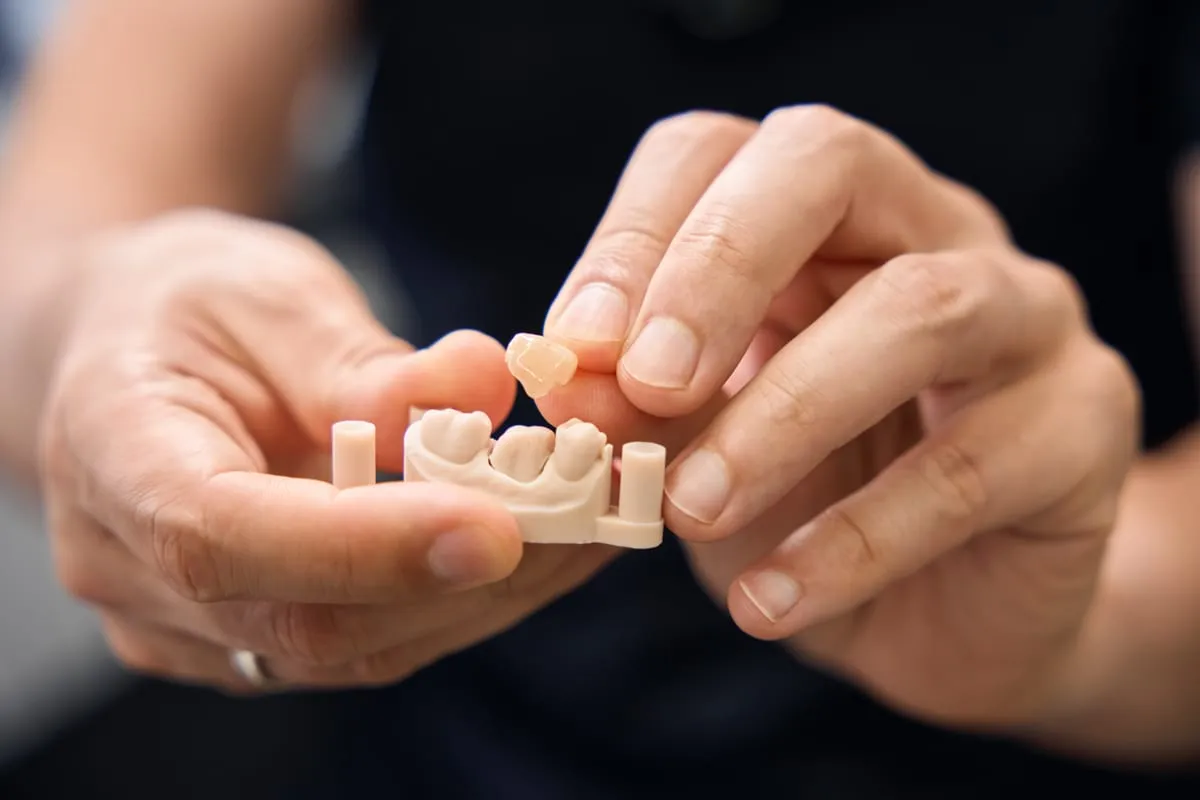
We numb the area, carefully reshape the tooth, take precise impressions, and place a comfortable temporary crown while your permanent restoration is crafted.

5

Ongoing Support & Follow-Up

Once your permanent crown is bonded into place, we check your bite, confirm a comfortable fit, and remain available if anything feels off as you adjust to it.

What a Properly Fitted Crown Means for You

A crown does more than patch a problem; it restores how your tooth actually functions in daily life. Here's what patients typically notice once their restoration is complete.

Comfortable, Confident Chewing

With the weakened area fully reinforced, you can bite into foods you may have been avoiding without worrying about pain or further damage.

A Natural-Looking Smile

Modern crown materials are shade-matched and shaped to blend seamlessly with your surrounding teeth, so the restoration isn't obvious to others.

Protection Against Further Damage

By covering the entire tooth, a crown prevents small cracks from spreading and shields exposed areas from new decay developing underneath.

Long-Term Durability

With good home care and regular checkups, a well-placed crown can comfortably serve you for many years before any replacement is needed.

Why Material Choice Matters More Than You'd Expect

Not every crown material fits every situation the same way. Porcelain and all-ceramic crowns offer the most natural translucency and are often the preferred choice for front teeth where appearance matters most. Zirconia and porcelain-fused-to-metal options bring additional strength, which can be valuable for molars that bear the brunt of chewing forces every day.

Choosing the right material involves balancing durability, cosmetics, and how the crown will interact with your bite and surrounding teeth. A tooth that grinds against an opposing crown all day needs a material tough enough to withstand that friction without excessive wear. We walk through these trade-offs with you directly rather than defaulting to a one-size-fits-all solution.

We also factor in your overall oral health picture - whether you grind your teeth at night, how visible the tooth is when you smile, and your budget - so the recommendation genuinely fits your life, not just your tooth.

Caring for Your Crown Between Visits

A crown is durable, but a few simple habits go a long way toward protecting both the restoration and the natural tooth structure underneath it.

Brush and Floss Daily

The edge where a crown meets your natural tooth needs careful cleaning to prevent decay from forming along that margin.

Avoid Chewing Ice or Hard Candy

Even strong crown materials can chip or crack under repeated pressure from hard, brittle foods.

Wear a Nightguard If You Grind

If nighttime clenching is part of your history, a custom nightguard protects your new crown from unnecessary wear.

Keep Up with Routine Cleanings

Regular hygiene visits let us check the crown's seal and catch any early signs of wear before they become problems.

Mention Any Bite Changes

If a crown ever feels slightly high or uneven, tell us right away - a quick adjustment prevents added strain on the tooth.

Don't Use Teeth as Tools

Opening packages or holding objects with your teeth puts unnecessary stress on a crown that's meant for chewing food, not everyday tasks.

These habits support the longevity of your crown, but they don't replace professional monitoring. If you ever notice discomfort, looseness, or a change in your bite, schedule a visit so we can address it promptly.

"Patients are often surprised at how natural a well-made crown feels within just a few days. Our goal is always a restoration you forget is even there, because it simply functions like the rest of your smile."
Clinical Team•Crossroads Dentistry

Dental Crowns: Your Questions Answered

Here are answers to the questions patients most often ask us before moving forward with a dental crown.

How long does getting a dental crown take?
Most crowns require two visits. The first appointment involves reshaping the tooth, taking impressions, and placing a temporary crown, which typically takes about 60 to 90 minutes. Your permanent crown is then crafted by a dental lab and bonded into place at a second, shorter visit roughly two to three weeks later.
Is getting a dental crown painful?
We numb the area thoroughly before reshaping the tooth, so the procedure itself is comfortable. Some patients experience mild sensitivity to temperature or pressure for a few days afterward, which is normal and generally resolves on its own as the tooth settles under its new crown.
How long do dental crowns last?
With consistent oral hygiene and regular checkups, a well-fitted crown typically lasts between 10 and 15 years, and many last even longer. Lifespan depends on the material chosen, how much pressure the tooth experiences from chewing or grinding, and how well you care for it at home.
What's the difference between a crown and a filling?
A filling repairs a small, contained area of decay or damage within the existing tooth structure. A crown, on the other hand, covers the entire visible portion of the tooth above the gumline, providing full structural support when damage is too extensive for a filling to handle safely.
Will my crown match the color of my other teeth?
Yes. We take careful shade measurements and select a porcelain or ceramic material designed to match the color, translucency, and texture of your surrounding natural teeth, so the crown blends in rather than standing out.
Can a crown fall off or come loose?
It's uncommon, but the dental cement holding a crown can weaken over many years or if the tooth experiences significant trauma. If your crown ever feels loose or falls out, contact us right away so we can re-cement it or evaluate whether the underlying tooth needs further attention.
Does dental insurance cover crowns?
Many dental insurance plans cover a portion of crown treatment when it's deemed medically necessary, though coverage amounts vary by plan. Our team is happy to review your benefits with you and discuss financing options for any remaining cost.

BOOK YOUR VISIT

Start your family dentistry journey in CA 92563

Join the CA 92563 families who trust Crossroads Dentistry. New patients and emergencies are always welcome.