 29992 Hunter Road Suite 110 Murrieta, CA 92563

 951-461-6900
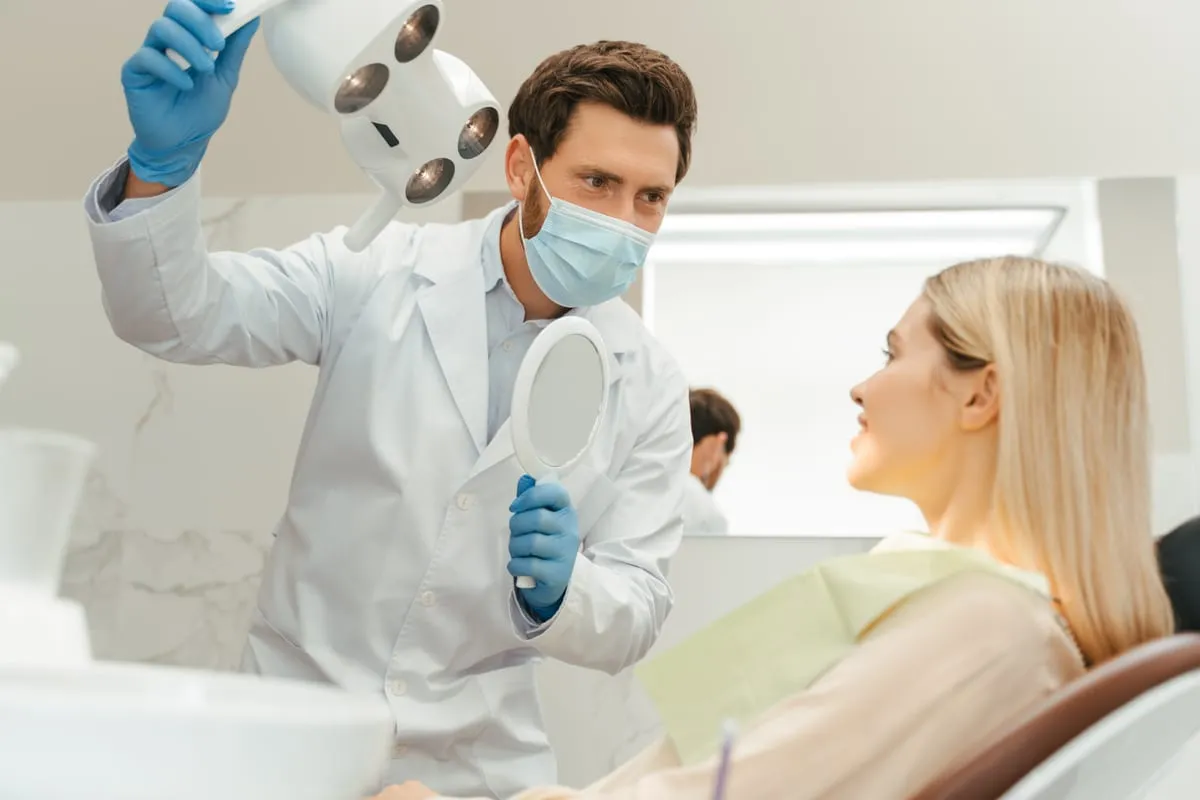
Most people think they know what to expect at a dental cleaning: a bit of scraping, some polishing, maybe a lecture about flossing. But a thorough cleaning and exam visit does far more than freshen your smile. It's the single most effective tool your dentist has for catching small issues before they become expensive, painful problems.
At Crossroads Dentistry, we treat every cleaning and exam appointment as an opportunity to check in on your whole mouth, not just your teeth. Gums, bite, jaw joints, and even early signs of oral cancer are all part of a comprehensive exam. If you've ever wondered what actually happens behind that reclined chair and bright overhead light, this article walks through it step by step.
Understanding the process also makes the visit less intimidating, especially for patients who feel anxious about dental appointments. Knowing why each step matters helps you see these visits as an investment in your long-term health rather than a routine chore to check off your list.
Why Routine Cleaning and Exam Visits Matter
Brushing and flossing at home remove a lot of plaque, but they can't reach everything. Over time, plaque hardens into tartar along the gumline and between teeth, and no amount of brushing will remove it once it has calcified. A professional cleaning uses specialized instruments to safely remove that buildup without damaging your enamel or gum tissue.
The exam portion is just as important as the cleaning itself. Many dental problems, including cavities, early gum disease, and even oral cancer, show no symptoms in their earliest stages. A trained eye can spot subtle changes long before you'd feel pain or notice something looking different. Catching issues early almost always means simpler, less costly treatment down the road.
Skipping these visits doesn't just increase your risk of cavities. Untreated gum inflammation can progress into more serious gum disease that affects the bone supporting your teeth, which is much harder to reverse than it is to prevent in the first place.
What Actually Happens During a Professional Cleaning
A cleaning, also called a prophylaxis, typically follows a predictable rhythm. Your hygienist will first assess the general condition of your teeth and gums, checking for visible plaque, tartar, and any areas of inflammation. From there, they move into the removal process using hand instruments called scalers and sometimes an ultrasonic tool that uses gentle vibration and water to break up hardened deposits.
After the tartar is removed, your teeth get a thorough polish using a gritty paste that buffs away surface stains from coffee, tea, or tobacco. Many patients notice their teeth feel noticeably smoother afterward, which actually makes it harder for new plaque to stick in the near term.
- Scaling: Removes hardened tartar from above and below the gumline where a toothbrush can't reach.
- Polishing: Buffs away surface stains and leaves a smoother, less plaque-friendly tooth surface.
- Flossing: A thorough interdental pass checks for tight spots or bleeding that might signal early gum concerns.
- Fluoride treatment: An optional finishing step that strengthens enamel and helps resist new decay.
Inside the Comprehensive Dental Exam
Once the cleaning is finished, the dentist steps in to complete a comprehensive exam. This goes well beyond a quick look at your teeth. They'll examine each tooth surface for signs of decay, check existing fillings and crowns for wear or damage, and assess your bite alignment to see if anything has shifted.
Gum health gets close attention too. Using a small measuring instrument, the dentist or hygienist checks the depth of the space between your teeth and gums, known as periodontal pocketing. Deeper pockets can be an early warning sign of gum disease, even when your gums look fine on the surface.
The exam also includes a soft tissue screening, where the dentist checks your cheeks, tongue, lips, and throat for anything unusual. This part of the visit is a simple, non-invasive way to catch early signs of oral cancer, which is far more treatable when found at an early stage.
The Role of X-Rays in Early Detection
Not every exam includes X-rays, but when they're taken, they reveal details no visual check-up can catch. Decay between teeth, bone loss around the roots, impacted teeth, and cysts or abscesses below the gumline all show up clearly on dental imaging long before they'd cause noticeable symptoms.
Modern digital X-rays use a fraction of the radiation that older film technology required, and the images appear instantly on a screen so your dentist can walk you through exactly what they're seeing. How often you need them depends on your personal history. Patients with a low cavity risk might only need imaging every couple of years, while those with a history of decay, gum disease, or orthodontic work may need them more frequently.
If an X-ray reveals a problem that needs attention, we'll walk through your options together, whether that means a simple filling, a dental crown to protect a weakened tooth, or a referral for further evaluation.
How Often Should You Schedule These Visits?
For most people, twice a year is the standard recommendation, and it's a good baseline for anyone without active dental concerns. That six-month window gives enough time for plaque and minor issues to develop without letting them progress too far between check-ups.
That said, your personal schedule should reflect your own risk factors. Patients with gum disease, a history of frequent cavities, dry mouth from medication, or certain health conditions like diabetes may benefit from visits every three to four months. On the other hand, patients with excellent oral hygiene and a clean bill of dental health may be able to stretch slightly longer between appointments, though we rarely recommend going beyond a year.
If it's been a while since your last visit and you're not sure where you stand, that's exactly what this appointment is for. We'll assess your current situation and build a schedule that actually fits your mouth, not a generic one-size-fits-all timeline.
What Your Dentist Is Really Looking For
A trained dentist is reading a lot of small signals during your visit that might not mean much to you but tell a detailed story about your oral health. Chipped or worn enamel can point to nighttime grinding. Receding gums on one side might indicate a brushing technique that's too aggressive. Persistent bad breath despite good hygiene can be a sign of bacteria trapped deep in gum pockets.
This is also when we discuss any discomfort you've been experiencing, even minor sensitivity to hot or cold, since those small complaints often point toward something specific worth investigating further. If a dental emergency has happened between visits, such as a cracked tooth or sudden swelling, don't wait for your next scheduled cleaning. Our emergency care team can see you sooner.
Key Takeaways
- Professional cleanings remove hardened tartar that brushing and flossing alone can't touch.
- Comprehensive exams check your bite, gum health, and soft tissue, not just your teeth.
- X-rays reveal decay, bone loss, and other issues well before symptoms appear.
- Most patients benefit from a visit every six months, though your ideal schedule depends on your personal risk factors.
- Early detection during routine visits keeps treatment simpler, faster, and less costly.
Frequently Asked Questions
Does a dental cleaning hurt?
Most patients feel only mild pressure or sensitivity, especially if it's been a while since your last cleaning or if you have inflamed gums. If you have significant tartar buildup or sensitive teeth, let your hygienist know beforehand so they can adjust their approach.
How long does a typical cleaning and exam appointment take?
A standard visit usually runs between 45 minutes and an hour, including the cleaning, exam, and any necessary X-rays. First-time patients or those needing more extensive evaluation may need a bit longer.
Can I eat or drink right after a cleaning?
Yes, there's no required waiting period after a routine cleaning. If you received a fluoride treatment, we typically recommend waiting about 30 minutes before eating or drinking so the fluoride has time to absorb into your enamel.
Why do my gums bleed during cleanings?
Bleeding is usually a sign of gum inflammation caused by plaque buildup along the gumline, not a sign the hygienist is being rough. It typically improves after a few consistent cleanings and better at-home flossing, though persistent bleeding should be evaluated further.
What if the exam finds a cavity or other issue?
We'll explain exactly what was found, show you the X-ray or affected area, and walk through your treatment options together. There's no pressure to decide on the spot, and we'll help you understand timing and priorities if multiple issues come up.
Making Cleanings and Exams Part of Your Routine
A cleaning and exam is a quiet, unglamorous appointment, but it does more to protect your long-term oral health than almost anything else you can do for your teeth. It catches the small things before they turn into big ones, keeps your gums in good shape, and gives you a clear, honest picture of where your mouth actually stands.
If it's been longer than six months since your last visit, there's no better time to get back on schedule. Our team is ready to walk you through every step, answer your questions, and help you build a plan that keeps your smile healthy for years to come.