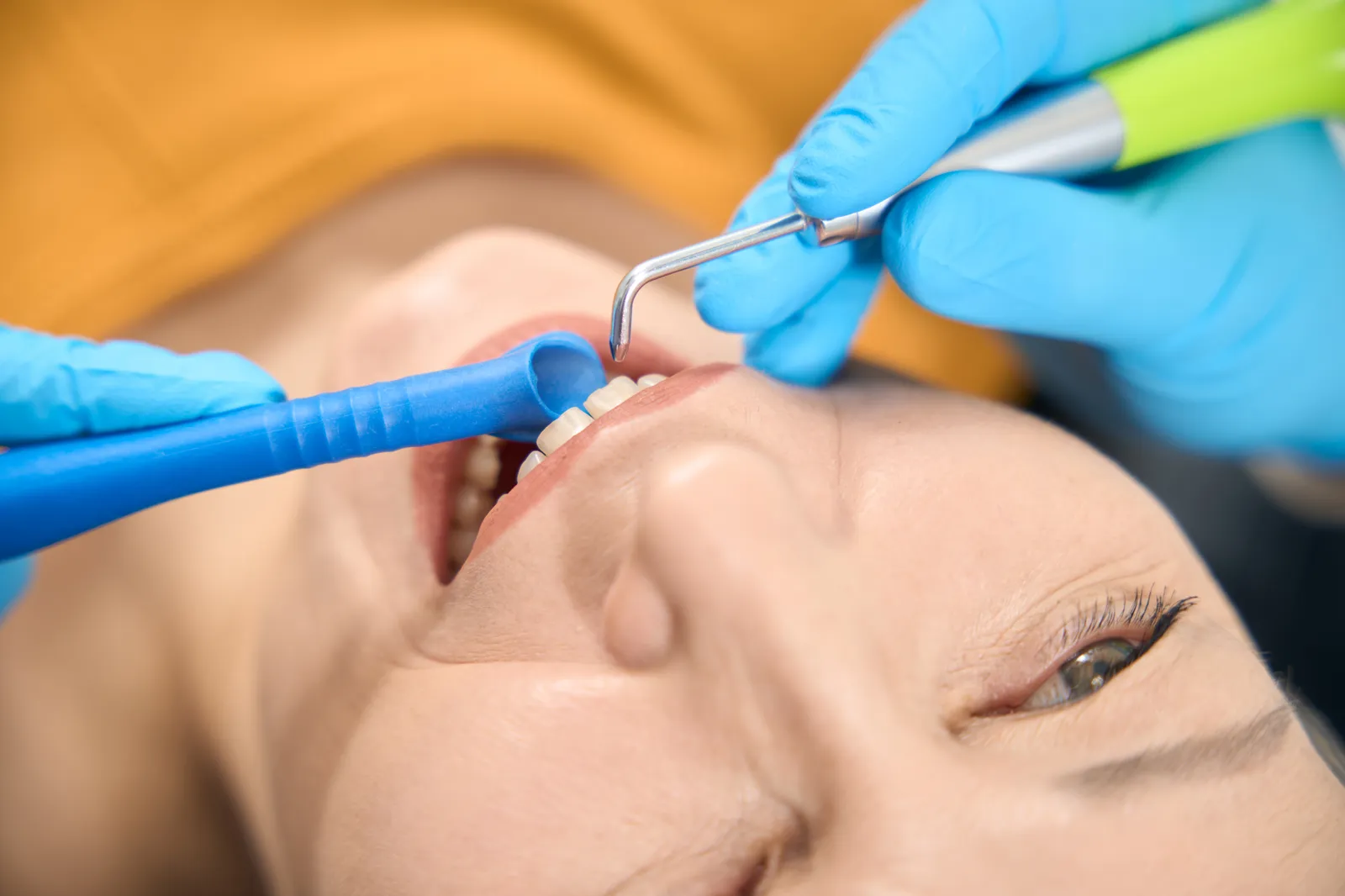
Periodontal Care

Gum Treatment Services

Targeted, comfortable care for bleeding, swollen, or receding gums, designed to protect your teeth and your long-term oral health.

Gum Treatment Services
Gum Health

Gum Treatment That Protects Your Smile From the Ground Up

Your gums do more work than most people realize. They form a seal around each tooth, hold the bone underneath in place, and act as a barrier against the bacteria that live in your mouth every day. When that seal breaks down, whether from plaque buildup, inflammation, or infection, the damage often happens quietly at first. Gums might bleed when you brush, feel tender, or start to pull away from your teeth, long before you notice any pain.

Left unaddressed, gum disease can progress from mild irritation (gingivitis) to a more serious condition called periodontitis, where the bone supporting your teeth begins to break down. This can lead to loose teeth, persistent bad breath, discomfort while chewing, and in advanced cases, tooth loss. Gum disease has also been linked to broader health concerns, including heart disease and diabetes, which is part of why we take it seriously at every visit.

At Crossroads Dentistry, our approach to gum treatment starts with an honest, thorough evaluation. We measure gum pocket depth, check for bleeding and recession, and review your dental history to understand what's driving the problem. From there, we build a treatment plan around your specific needs, whether that means a deep cleaning, a change in your home care routine, or ongoing periodontal maintenance to keep your gums stable for years to come.

Schedule a Consultation

Signs Your Gums May Need Professional Attention

Gum disease doesn't always announce itself loudly. Some patients notice obvious bleeding, while others only pick up on subtler changes like a slight shift in how their bite feels. Knowing what to watch for makes it much easier to catch problems early, while treatment is simpler and more comfortable.

  • Bleeding gums: Pink in the sink after brushing or flossing is one of the earliest and most common signs that gum tissue is inflamed.
  • Puffy or swollen gums: Healthy gum tissue should look firm and pale pink, not red, shiny, or tender to the touch.
  • Persistent bad breath: Odor that doesn't go away with brushing often points to bacteria trapped below the gumline.
  • Receding gumline: Teeth that appear longer than they used to, or increased sensitivity near the roots, can signal gum recession.
  • Loose or shifting teeth: As supporting bone weakens, teeth can start to feel less stable or begin drifting out of alignment.
  • Pain while chewing: Discomfort when biting down can indicate inflammation or infection affecting the tissue around a tooth.
  • A change in your bite: If your teeth suddenly fit together differently, it may be related to shifting caused by gum and bone loss.
  • Pus or tenderness at the gumline: This is often a sign of active infection and should be evaluated promptly.
  • Visible plaque or tartar buildup: Hardened deposits along the gumline create a constant source of irritation and bacteria.
  • Gum tenderness during pregnancy: Hormonal shifts can make gums more reactive to plaque, making routine care especially important.

Many of these signs can look minor on their own, which is exactly why they're often overlooked until the condition progresses. A professional evaluation lets us measure what's actually happening beneath the surface and catch bone loss or infection before it advances further.

Understanding the Root Causes of Gum Disease

Gum disease rarely has just one cause. More often, it's a combination of daily habits, biology, and lifestyle factors working together over time. Understanding what's contributing to your situation helps us target treatment more effectively.

Plaque and Tartar Buildup

When plaque isn't removed consistently, it hardens into tartar that only a dental professional can remove. Tartar traps bacteria against the gumline, triggering ongoing inflammation.

Tobacco Use

Smoking and vaping reduce blood flow to the gums, making it harder for tissue to heal and masking early warning signs like bleeding. This often allows disease to progress further before it's noticed.

Genetic Susceptibility

Some people are simply more prone to gum disease regardless of how carefully they brush, due to inherited differences in immune response and tissue structure.

Certain Medications

Some prescriptions reduce saliva flow or cause gum tissue overgrowth, both of which make it easier for plaque to accumulate and harder to control.

Chronic Health Conditions

Conditions like diabetes and autoimmune disorders can affect how your body fights infection, making gum tissue more vulnerable to inflammation and slower to recover.

Misaligned or Crowded Teeth

Teeth that overlap or sit at odd angles are harder to clean thoroughly, creating hidden pockets where plaque can settle and gum disease can take hold.

Inconsistent Dental Visits

Skipping regular cleanings allows tartar to accumulate undisturbed, and it means early signs of gum disease often go undetected until symptoms become noticeable.

Diet and Nutrition

A diet high in sugar and refined carbohydrates feeds the bacteria responsible for plaque, while low vitamin C intake can weaken gum tissue's ability to repair itself.

From First Exam to Lasting Gum Health

Every gum treatment plan starts with understanding exactly what's happening in your mouth. Here's what you can expect when you come in for care, from the first conversation through ongoing maintenance.

1

Initial Consultation & Discussion

We start by listening. You'll tell us what you've noticed, whether it's bleeding, sensitivity, or just a general concern, and we'll review your dental and medical history together.

2

Comprehensive Clinical Evaluation

We measure gum pocket depth around each tooth, check for bleeding and recession, and take X-rays if needed to assess the bone level supporting your teeth.

3

Customized Treatment Plan

Based on what we find, we recommend the right level of care, whether that's a standard cleaning, scaling and root planing, or a referral for more advanced periodontal therapy.

4

Gentle Care Delivery

We use local anesthetic when needed to keep treatment comfortable, carefully removing plaque and tartar from below the gumline and smoothing root surfaces to help gums reattach.

5

Ongoing Support & Follow-Up

We schedule periodontal maintenance visits at intervals tailored to your needs and monitor your gum health over time, adjusting your care plan as your tissue responds.

What Healthy Gums Make Possible

Treating gum disease isn't just about stopping bleeding or bad breath. It's about protecting the foundation your whole smile depends on, and the benefits extend well beyond your mouth.

Firmer, Pink, Healthy-Looking Gums

Once inflammation resolves, gum tissue returns to a firmer texture and natural color, which also reduces sensitivity and discomfort during brushing and eating.

Stronger, More Stable Teeth

Treating gum disease helps preserve the bone and connective tissue that hold your teeth in place, reducing the risk of looseness or shifting over time.

Fresher Breath That Lasts

Removing bacteria trapped below the gumline addresses the actual source of chronic bad breath, rather than just masking it temporarily.

Lower Risk to Overall Health

Because gum disease has been connected to heart health and blood sugar control, getting it under control supports more than just your smile.

These improvements build on each other. As inflammation calms down and your gums reattach more securely to your teeth, you'll likely notice everyday tasks like eating, brushing, and even talking feel more comfortable and natural again.

Why Gum Disease Often Gets Worse Without Treatment

Gum disease develops in stages, and each stage is progressively harder to reverse. Gingivitis, the earliest form, involves inflammation of the gum tissue only and is typically reversible with a professional cleaning and better home care. Once the infection spreads below the gumline and begins affecting the bone and ligaments holding your teeth in place, it becomes periodontitis, a condition that can't be undone but can be managed and stabilized with the right treatment.

The reason gum disease tends to worsen quietly is that it often doesn't cause significant pain until later stages. Bacteria form a sticky film that calcifies into tartar, which then creates an ideal environment for more bacteria to thrive. As pockets between the teeth and gums deepen, they become harder to clean with brushing and flossing alone, which allows the cycle of inflammation and bone loss to continue.

This is why professional treatment, such as scaling and root planing, matters so much. It physically removes the bacteria and buildup that your toothbrush can't reach, interrupting the cycle before more bone and tissue are lost. Combined with consistent home care and regular maintenance visits, this approach gives your gums a real chance to stabilize and heal.

Supporting Your Gum Health Between Visits

Professional treatment addresses what's already happened, but your daily habits play a major role in keeping your gums healthy afterward. A few consistent changes can make a noticeable difference.

Brush Twice Daily, Thoroughly

Use a soft-bristled brush and spend at least two minutes covering every surface, angling the bristles toward the gumline to clear plaque where it accumulates most.

Floss Every Day

Flossing reaches the tight spaces between teeth that a toothbrush can't, removing plaque before it has a chance to harden into tartar.

Use an Antimicrobial Rinse

A therapeutic mouth rinse recommended by our team can help reduce bacteria in areas your brush and floss may miss.

Avoid Tobacco Products

Quitting smoking or vaping significantly improves blood flow to gum tissue, helping it heal faster and respond better to treatment.

Eat a Gum-Friendly Diet

Limiting sugary snacks and adding vitamin C-rich foods supports tissue repair and helps reduce the bacteria that contribute to inflammation.

Keep Up With Maintenance Visits

Sticking to your recommended cleaning schedule allows us to monitor your gum health closely and catch any changes before they progress.

These habits make a real difference, but they work best alongside professional care. Home routines alone can't remove hardened tartar or measure what's happening beneath the gumline, which is why regular checkups remain an essential part of keeping your gums healthy long-term.

"We never want gum treatment to feel like a lecture about brushing habits. Our job is to explain exactly what's going on, treat it gently, and help you build a routine that actually keeps your gums healthy between visits."
Clinical Team•Crossroads Dentistry

Frequently Asked Questions

Answers to common questions about gum disease, gum treatment, and keeping your gums healthy for the long run.

What's the difference between gingivitis and periodontitis?
Gingivitis is the earliest stage of gum disease, involving inflammation and bleeding of the gum tissue without bone loss. It's generally reversible with a professional cleaning and improved home care. Periodontitis is a more advanced stage where the infection has spread below the gumline, affecting the bone and ligaments that hold teeth in place, requiring deeper treatment and ongoing management.
Is scaling and root planing painful?
We use local anesthetic to numb the treatment area before starting, so most patients feel pressure rather than pain during the procedure itself. Some mild tenderness or sensitivity afterward is normal and typically resolves within a day or two with gentle home care.
How do I know if my bleeding gums are serious?
Occasional light bleeding from brushing too hard usually isn't alarming, but bleeding that happens regularly, even with gentle brushing, is a sign of inflammation that needs attention. The only way to know the extent of the issue is a professional evaluation, where we measure gum pocket depth and check for other signs of disease.
Can receding gums grow back?
Gum tissue that has receded doesn't grow back on its own, but treatment can stop further recession and reduce sensitivity in the affected area. In cases of significant recession, we can discuss options to address the exposed root surface and protect the tooth going forward.
How often will I need periodontal maintenance visits?
Most patients being treated for gum disease visit every three to four months rather than the standard six-month cleaning schedule. This more frequent interval allows us to keep bacteria levels in check and monitor your gum health closely while tissue stabilizes.
Does gum disease really affect my overall health?
Research has linked gum disease to increased risk of heart disease, difficulty managing diabetes, and complications during pregnancy, among other conditions. The inflammation and bacteria associated with gum disease don't stay contained to your mouth, which is one more reason to treat it promptly.
Will my insurance cover gum treatment?
Most dental insurance plans provide at least partial coverage for periodontal treatment, including scaling and root planing. Our team will verify your benefits before treatment and walk you through your coverage so you know what to expect before any procedure begins.
How long does recovery take after gum treatment?
Most patients return to normal activities the same day, with mild gum tenderness or sensitivity to temperature lasting a few days afterward. We'll give you specific aftercare instructions, including tips on eating and oral hygiene, to help your gums heal as comfortably as possible.

BOOK YOUR VISIT

Start your family dentistry journey in CA 92563

Join the CA 92563 families who trust Crossroads Dentistry. New patients and emergencies are always welcome.